No project, no matter how well-constructed, is immune to disruption. Budgets get scaled back, priorities shift overnight, and teams shrink. Processes become inconsistent, metrics lose relevance, and control starts to fade. Suddenly, leaders are forced to question what deserves attention and what must be left behind.
Financial cuts are only one part of the challenge. Government agencies at every level are dealing with workforce reductions, compliance pressures, and funding priorities that keep changing, and many commercial PMOs feel the same pressure through hiring freezes and tighter budgets. These realities make it harder to maintain continuity, visibility, and accountability across programs.
The short answer: PMOs keep momentum through cuts by deciding what stops instead of spreading money and people thinner, keeping the tools that show them what's happening, and using what their platform already does before buying or building something new. The ones that stall usually cut visibility first, then lose the information they need to make the next call.
The risks of reacting instead of responding
When uncertainty strikes, many organizations reach for quick fixes such as budget reallocations, project pauses, or staff and tool cuts. On paper, these choices can seem efficient. In practice, they often create bigger problems.
- Cutting visibility tools weakens data accuracy and decision-making.
- Downsizing teams strains resources and slows delivery.
- Spreading funding too thin leads to diluted impact and endless delays.
- Losing the people who run your tools leaves no one keeping data, reports, and integrations current.
Without structure and clarity, organizations lose their grip on governance and delivery, leaving programs vulnerable to compliance gaps and performance failures.
How successful PMOs keep momentum
The organizations that stay steady under pressure don't just react; they rebuild with intention. They establish governance that supports accountability, streamline workflows to preserve efficiency, and focus on the information that truly drives decisions. This discipline creates a foundation of stability, even when budgets or teams fluctuate.
Smaller or resource-strained PMOs often lack this structure, relying on manual processes or disconnected systems that can turn minor setbacks into major disruptions. Growing complexity makes that harder: in PMI's Pulse of the Profession 2026, 81% of project professionals said their projects have become more complex, yet only one in five use scenario planning to see disruption coming.
Project prioritization under budget cuts: decide what stops
When a budget drops, the instinct is to trim a little from every project. That keeps everything alive and nothing finished. A better first step is to rank active work by mission impact and the cost to finish, then sort it into three lists: keep, pause, and stop.
Paused work needs a named restart trigger, such as a funding date, a hire, or a decision. Without one, it quietly becomes stopped work that still takes up status meetings.
Five steps to maintain momentum amid uncertainty
If you're leading through shifting budgets, workforce changes, or compliance pressures, here's where to start.
Maximize existing tools
Retain visibility and consistency using what you already own. The PPM platform often lands on the cut list, yet it's where leaders see which programs are at risk and what a cut actually changes. Before dropping licenses or a platform, weigh what it costs to lose that view. If adoption is the real problem, a Solution Health Check shows what's being used, what isn't, and what to fix first.
Consolidate systems with care
Simplify platforms without sacrificing continuity. Fewer tools can save money, but a rushed consolidation can lose project history, break the integrations finance relies on, and leave teams rebuilding reports mid-year. Decide what data has to move, what can be archived, and who owns each report before you switch. Our guide to switching portfolio management tools covers what to keep and what to leave.
Streamline workflows
Speed up delivery while maintaining oversight. With fewer people, every approval step and status report costs more. Cut steps that don't change a decision, set approval thresholds by size or risk so small work isn't held up by a full review, and pull status from the work itself instead of asking project managers to retype it.
Use capabilities you already pay for
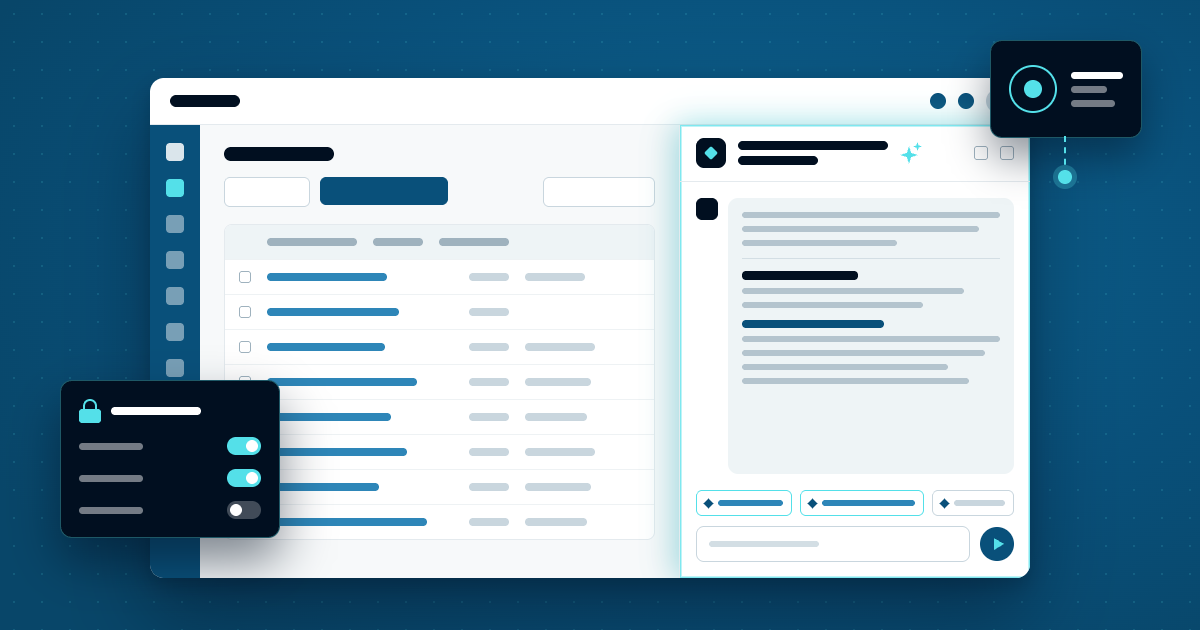
Expand capacity through features you already have. Most PPM platforms do more than teams use. In Clarity, roadmap scenarios let you compare funding options before you commit to one, and staffing scenarios show what happens when a team loses people. Vaia, Clarity's AI, can answer questions about investments and roadmaps without someone building a report first, and audit trails record who changed what when a compliance review comes around. Planview Portfolios offers similar what-if scenarios in its Planning Manager, covered in our post on investment and capacity planning.
Embed expert guidance
Integrate support to identify and mitigate risks early. When administrators or power users leave, configuration, integrations, and reporting are usually the first things to slip, and no one notices until a report is wrong. A common version: a PMO lead ends up running the platform part-time on top of their real job, upgrades get skipped, and integrations never get built. Managed services keep the platform running with a team that already knows it, so you aren't rebuilding that knowledge during a hiring freeze.
Together, these steps make PMOs more resilient and keep projects aligned, visible, and compliant as conditions continue to change.
From uncertainty to stability
Resilience is built on structure, visibility, and informed decision-making, not constant reinvention. With the right processes and guidance, PMOs can keep teams confident, maintain accountability, and deliver results even as priorities shift. When priorities change mid-year, see how teams replan the portfolio without starting over.
How Virelli helps
Over more than two decades and 1,000+ implementations, our team has supported PMOs through funding changes, reorganizations, and staff turnover. We know which parts of a portfolio slip first when a team gets smaller, and how to keep the most important work moving.
Because we work across Clarity, Planview, and other leading platforms, we start with what your portfolio needs. Sometimes that means getting more from the platform you have, or stepping in to run it while your team is stretched. Sometimes it means moving to one that fits better without losing momentum along the way.
Frequently asked questions
How should PMOs handle project prioritization during budget cuts?
Rank active work by mission or business impact and by the cost to finish, then sort it into keep, pause, and stop. Trimming every project a little keeps everything alive but slows all of it. Give paused work a clear restart trigger, such as a funding date or a hire, so it doesn't drift.
Should we cut our PPM tool to save money?
Look at what you'd lose first. The PPM platform is usually where leaders see program risk, capacity, and the impact of a cut, so dropping it during a budget squeeze can leave decisions resting on old spreadsheets. If the tool isn't used well, fixing adoption or trimming unused licenses usually costs less than replacing it.
How do you keep a PPM platform running after losing administrators?
Document configuration, integrations, and scheduled jobs while the people who know them are still there, and identify which reports leadership depends on. Then decide who covers administration: a cross-trained internal owner, a partner on managed services, or both. Without coverage, data quality and reporting usually slip first.
Talk through your portfolio with a Virelli advisor
If budgets, staffing, or priorities have shifted, we'll help you sort out what to keep, what to pause, and what comes next.
Connect with an advisor